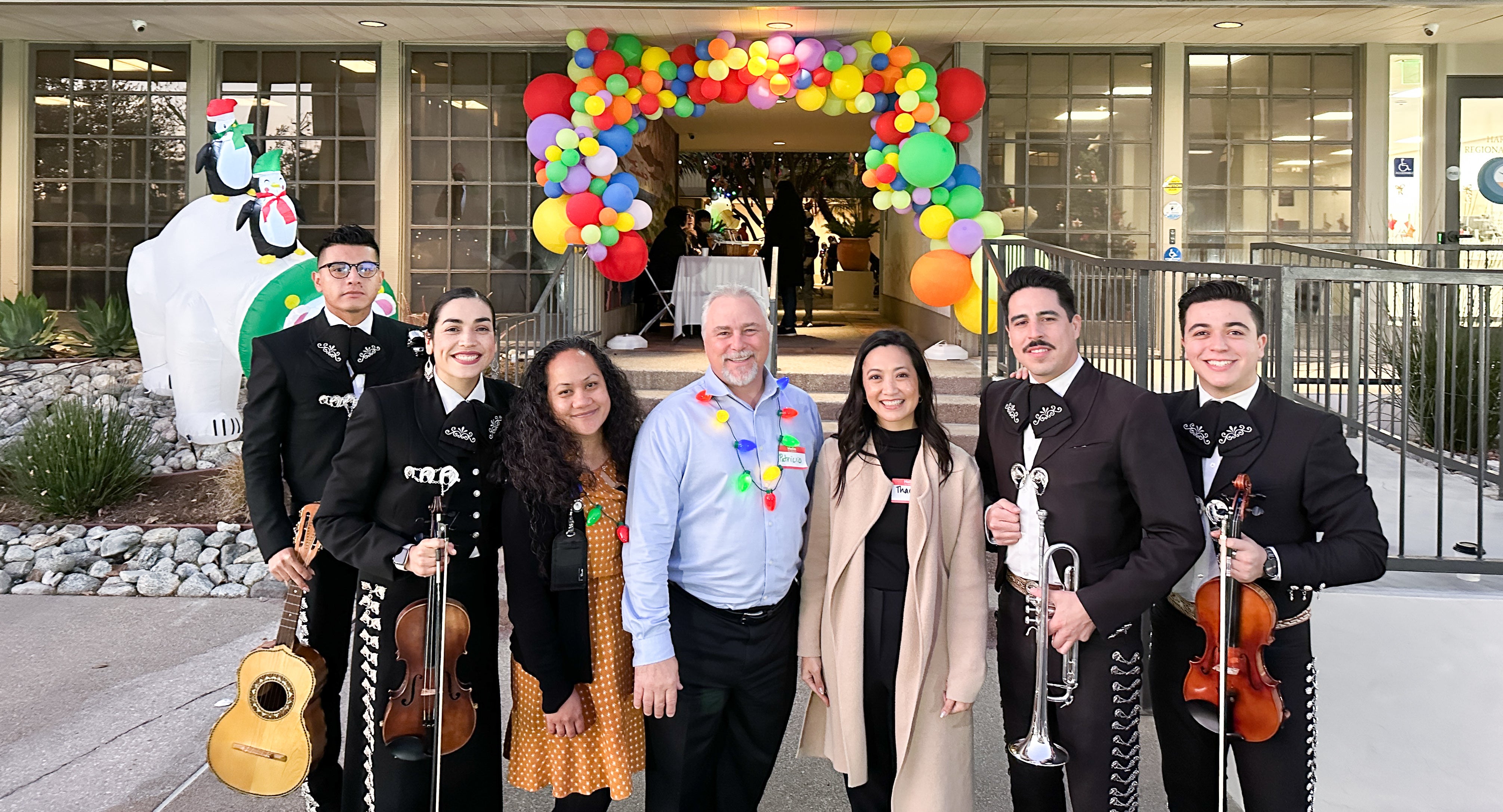
 December 8, 2023 – Fiestas Con Harbor Cultural Celebration
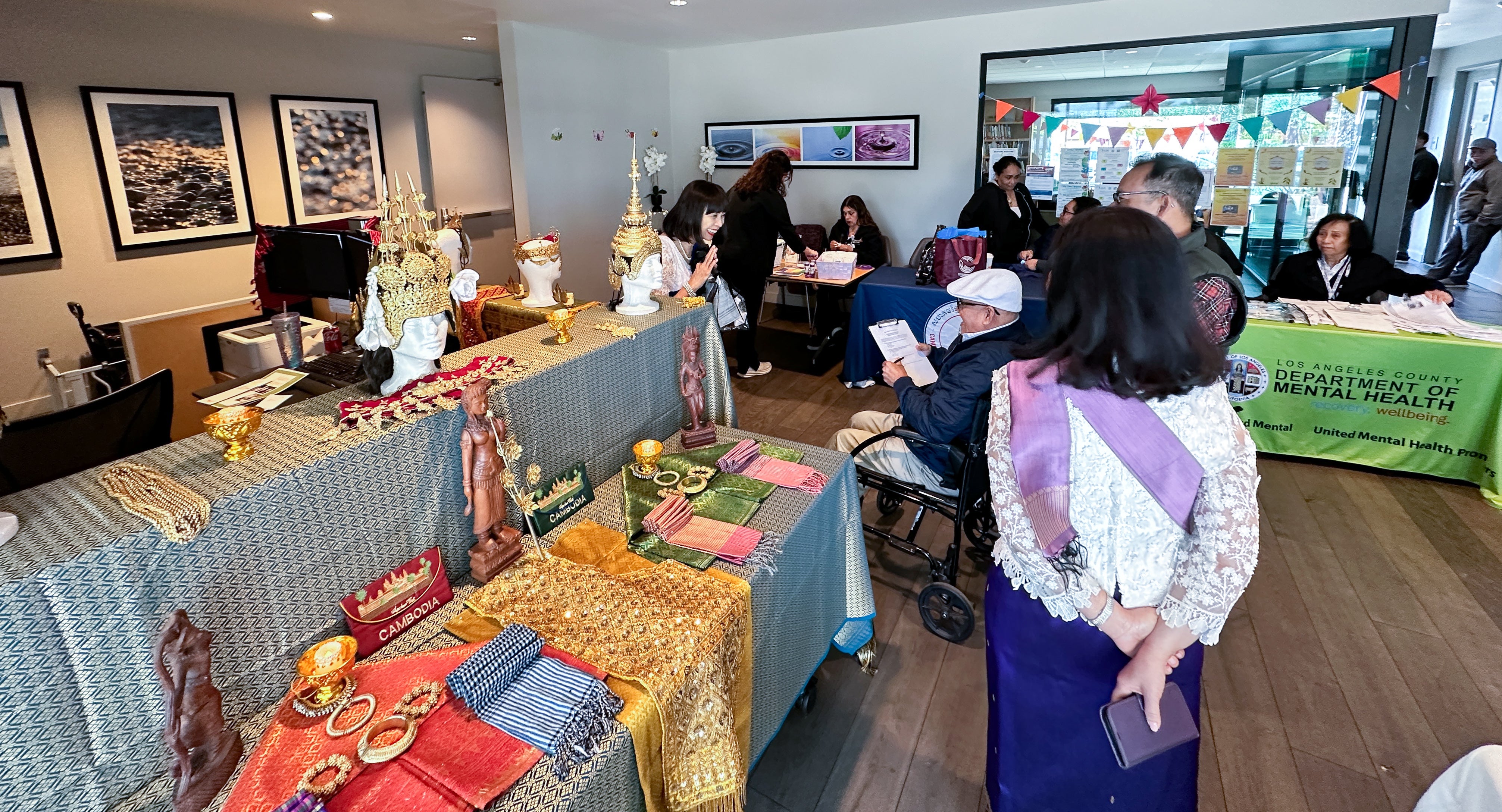 April 5, 2024 – Participants attend Cambodian New Year Resource Fair Cultural Celebration at Harbor Regional Center.
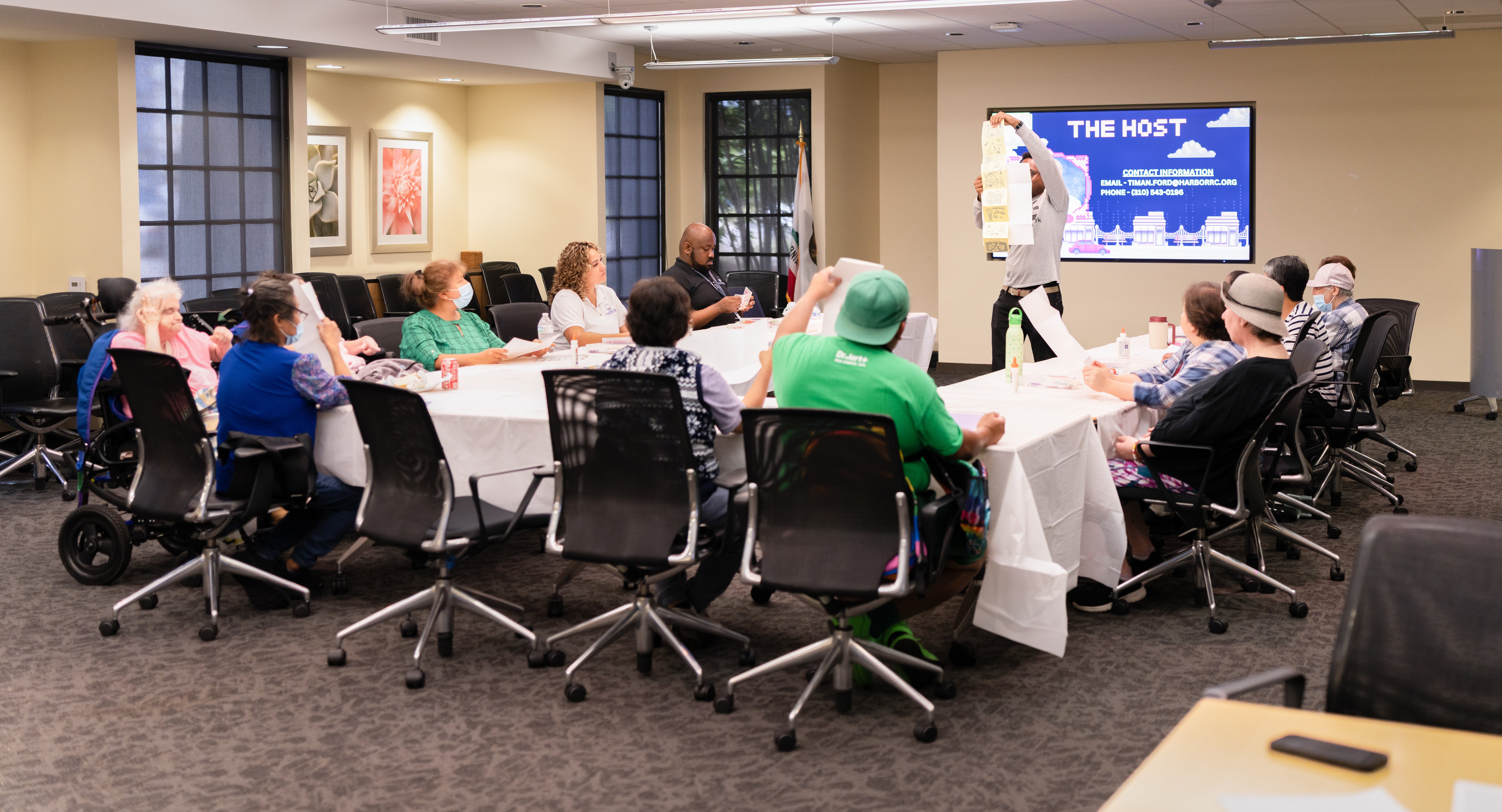 Self-Advocates attend a Peer Hang Out.
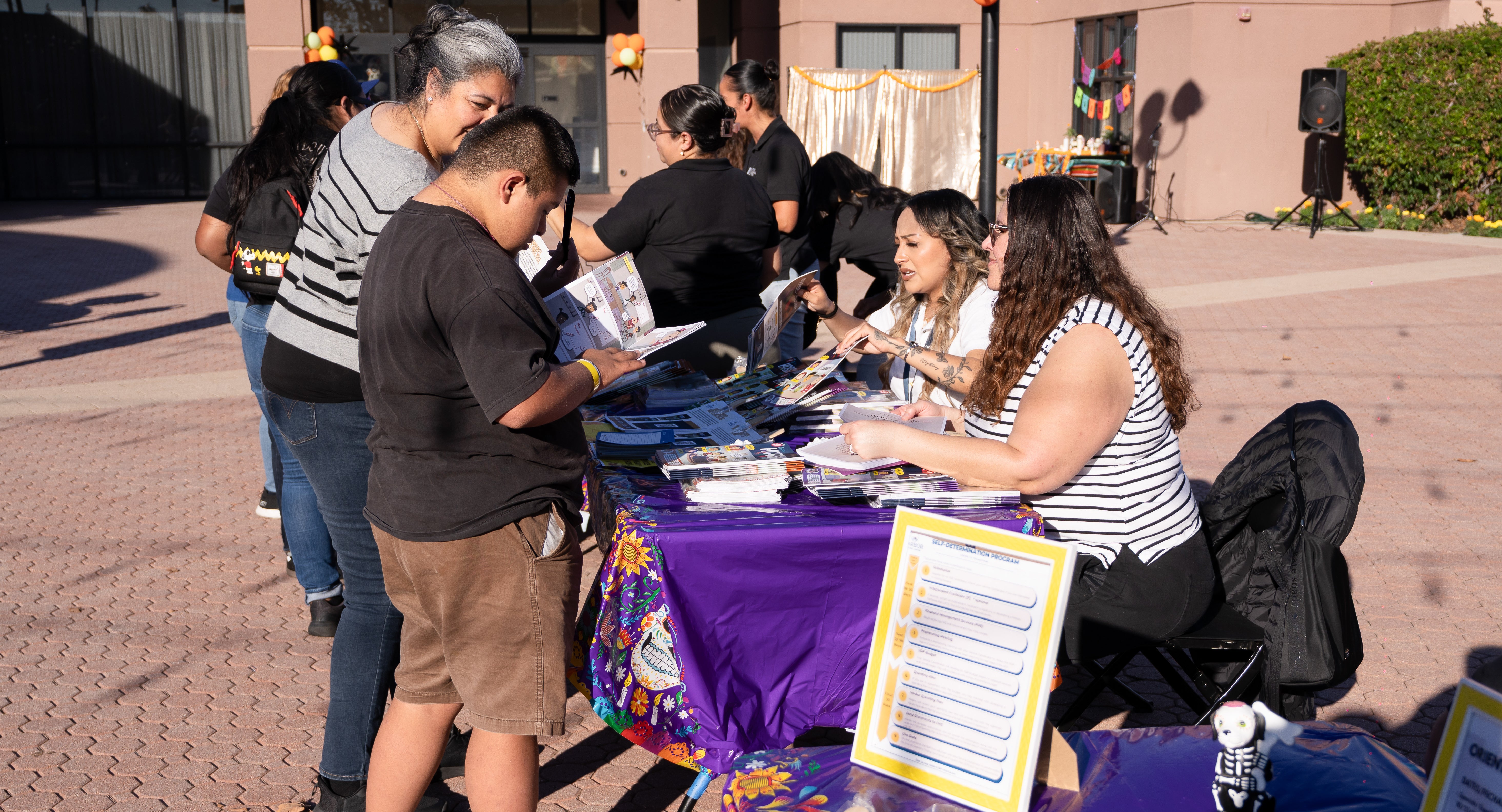 October 17, 2025 – Participants learn about Harbor Regional Center services.
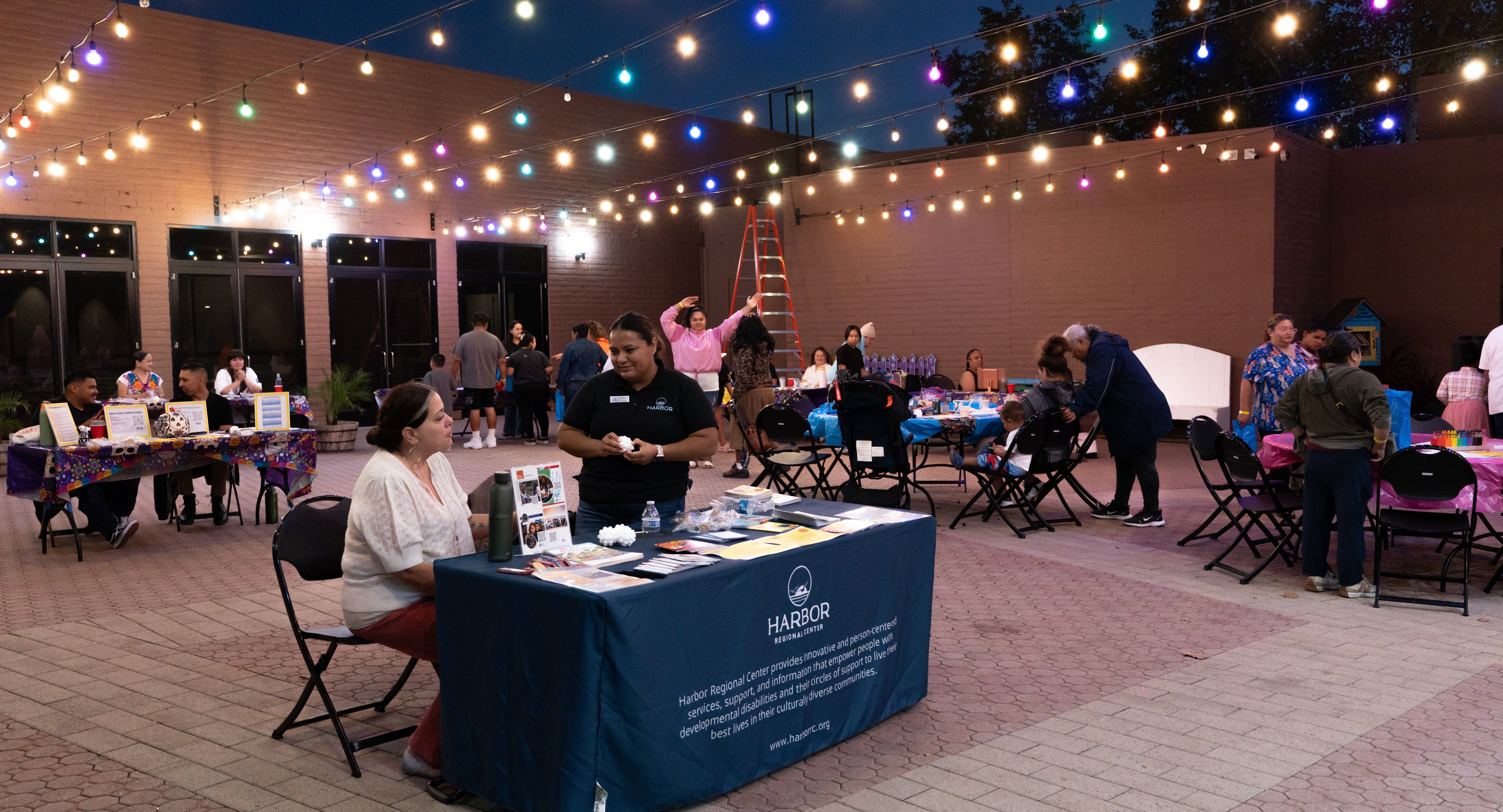 October 17, 2025 – Día de los muertos Cultural Celebration at Norwalk Arts & Sports Complex.
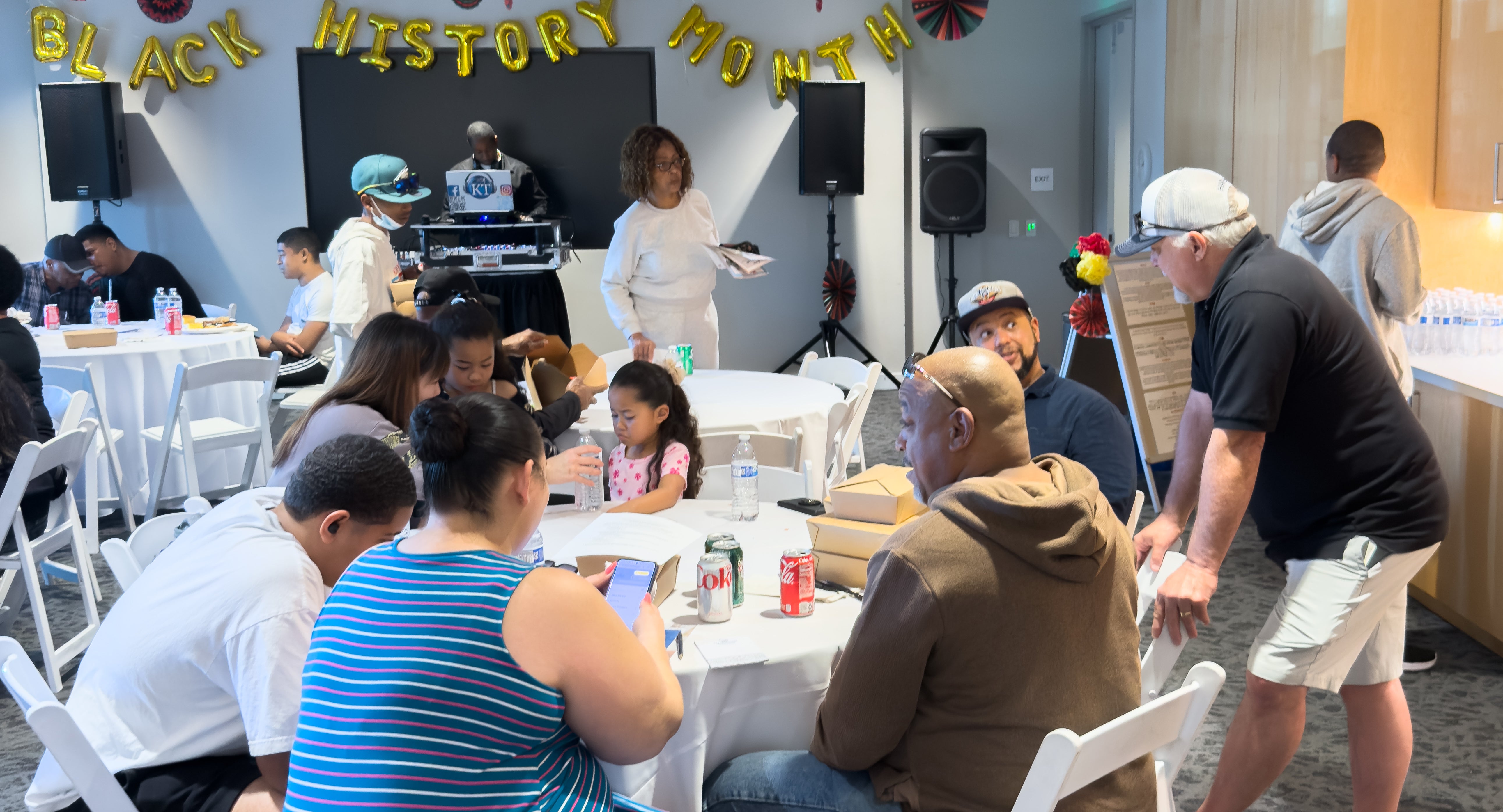 February 22, 2025 – Participants enjoy music and local food at Black History Month Cultural Celebration.
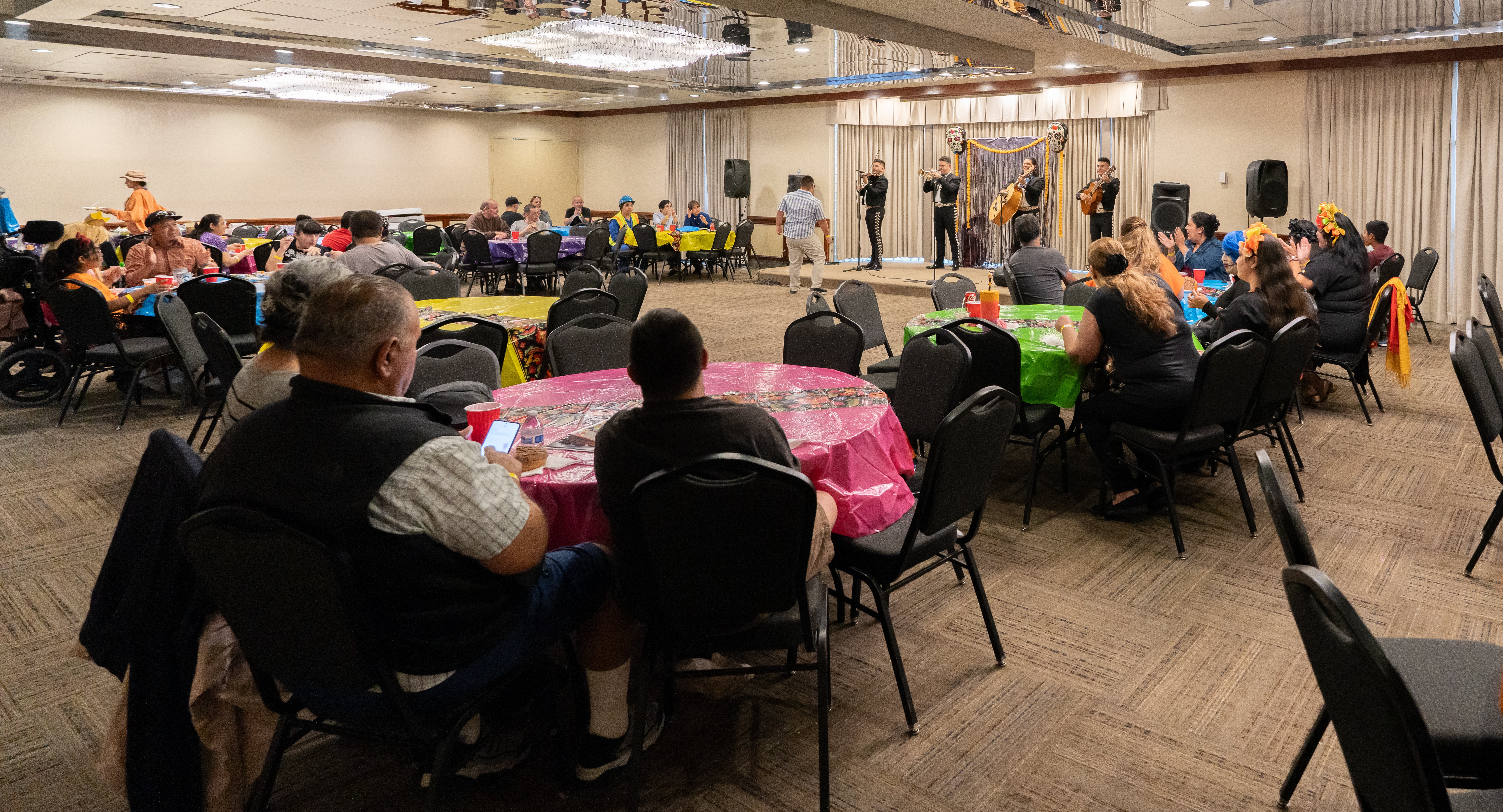 October 17, 2025 – Participants enjoy festive music during Día de los muertos Cultural Celebration event.
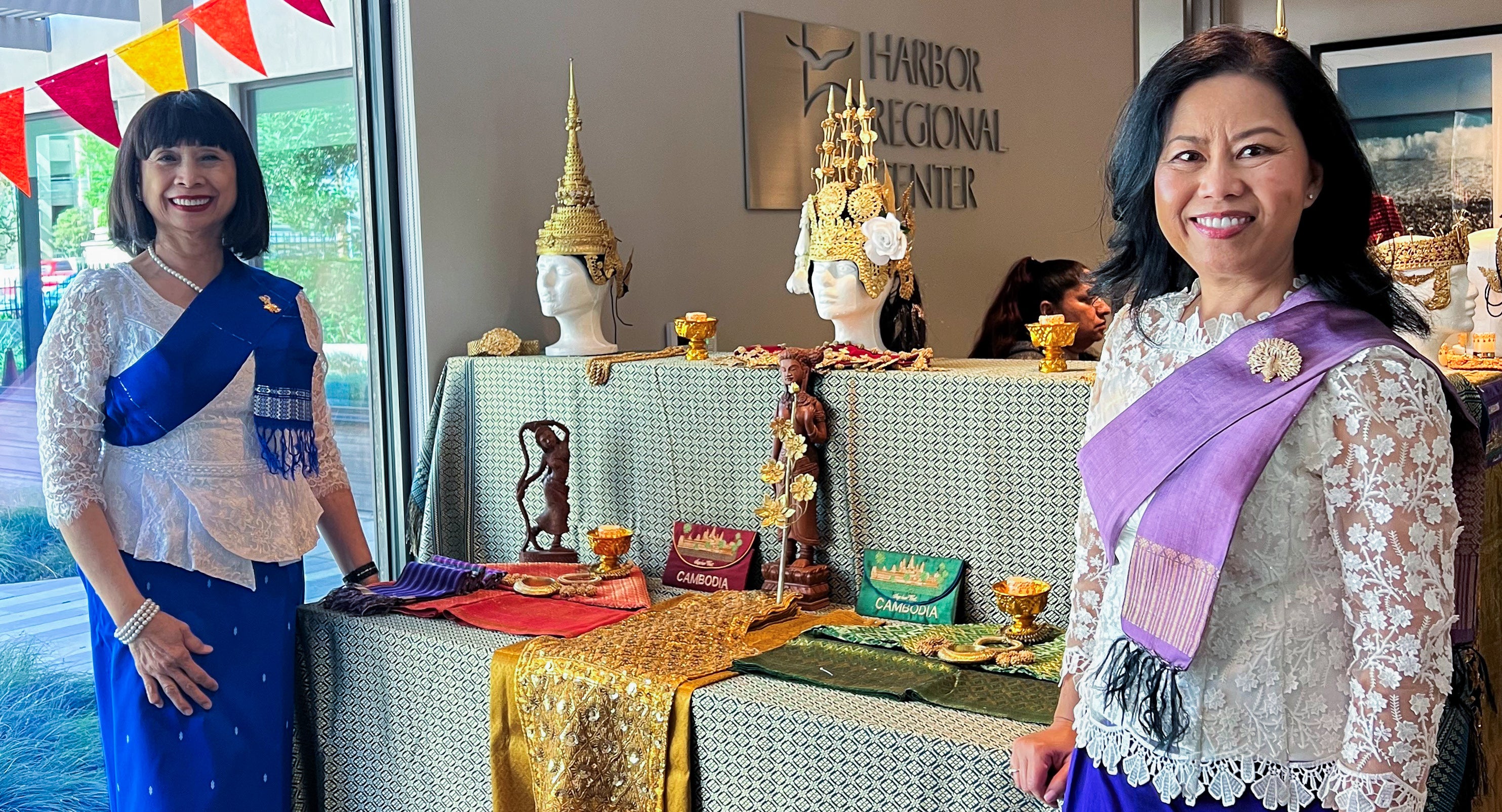 April 5, 2024 – Harbor Regional Center team members help celebrate Cambodian New Year!
Language Access & Cultural Competency (LACC) Program
The LACC program is an annual initiative following the Department’s April 2022 directive Funding to Improve Language Access and Cultural Competency. The primary purpose of the LACC funding is to improve individual and family experience and to facilitate more consistent access to information and services for multi-lingual, monolingual, and diverse cultural groups.
The Department approves regional center annual plans that are specifically designed to improve and promote the Language Access and Cultural Competency Program in regional centers’ catchment areas.
Harbor Regional Center’s Language Accessibility & Cultural Competency (LACC) Plan incorporates the input and suggestions our community has provided. The community in which Harbor serves has evolved and grown over the past decade, and Harbor Regional Center is committed to providing information, services, and support in culturally inclusive ways to serve our diverse community. Harbor Regional Center’s LACC Plans strengthen Harbor’s ability to provide services through innovation and person-centered practices, ensuring access to all.
|
Total Allocation
|
$748,923
|
|
Languages of Focus
|
American Sign Language, Cantonese Chinese, Japanese, Khmer, Korean, Mandarin Chinese, Spanish, Tagalog, Vietnamese
|
|
Ethnicities/Cultures of Focus
|
Asian, Deaf and Hard of Hearing, Hispanic, LGBTQIA+, Native Hawaiian or other Pacific Islander
|
|
Project Summary
|
- Collaborate with cultural experts to enhance education and cultural competency on various ethnicities and LGBTQIA+ identities.
- Connect families with HRC’s Parent Mentors to encourage participation and engagement in Regional Center services through 1:1 support to families.
- Develop resources (videos, documents, website) in multiple languages to promote access to services for all.
- Enhance inclusivity for the Deaf+ community by hosting events and classes for individuals served, families, service providers, and Regional Center staff.
- Partner with local Community-Based Organizations to support at-risk and underserved communities through developmental screenings.
- Promote language accessibility and cultural competency through outreach activities like listening sessions, focus groups, and trainings.
- Sustain internal capacity with dedicated bilingual LACC staff, including a Language Accessibility Cultural Specialist and a Community Outreach Specialist.
|
|
Total Allocation
|
$785,748
|
|
Languages of Focus
|
American Sign Language, Cantonese Chinese, Japanese, Khmer (Cambodian), Korean, Mandarin Chinese, Spanish, Tagalog, Vietnamese
|
|
Ethnicities/Cultures of Focus
|
Asian, Black/African American, Deaf and Hard of Hearing, Hispanic, LGBTQIA+, Native Hawaiian or other Pacific Islander
|
|
Project Summary
|
- Strengthen linguistic and cultural collaboration with individuals, families, and Community-Based Organizations through focus groups, cultural
celebrations, resource fairs, trainings, and workshops.
- Develop informative materials, including service lists/descriptions and multi-lingual videos, to improve access to services and build trust.
- Build internal capacity with LACC dedicated staff (Language Accessibility Cultural Specialist-Bilingual, Community Outreach Specialist).
- Increase support for diverse communities by retaining five full-time Parent Mentors with lived experience in navigating the service system
(three bilingual positions, one African American) to provide one-on-one support to families.
- Increase representation and visibility for diverse communities by creating and sharing digital content.
|
|
Total Allocation
|
$785,748
|
|
Languages of Focus
|
American Sign Language, Cantonese Chinese, Japanese, Khmer (Cambodian), Korean, Mandarin Chinese, Spanish, Tagalog, Vietnamese
|
|
Ethnicities/Cultures of Focus
|
Asian, Black/African American, Deaf and Hard of Hearing, Hispanic, LGBTQIA+, Native Hawaiian or other Pacific Islander
|
|
Project Summary
|
- Recruit and hire a Language Accessibility Cultural Specialist to build community partnerships.
- Host listening sessions.
- Create surveys in key languages to improve language access for individuals and families.
- Host outreach events.
- Conduct Translations of all key documents and resources.
|